Heart health depends on how well the heart muscle, valves, arteries, and electrical system work. Common problems include coronary artery disease, heart attack, heart failure, atrial fibrillation, and valve disease. Many can be prevented or controlled by not smoking, being active, eating well, managing blood pressure and cholesterol, and taking prescribed medicines.
Key takeaways
- Call emergency services for chest pain or pressure, breathlessness, fainting, or signs of stroke.
- Common tests include ECG, echocardiogram, stress tests, CT imaging, and angiography.
- Treatments range from lifestyle changes and medicines to stents, bypass surgery, valve procedures, and devices.
- Prevention focuses on not smoking, 150 minutes of weekly activity, a healthy diet, and knowing your blood pressure, cholesterol, and sugar levels.
In this guide
- How the Heart Works in Brief
- Common Heart Conditions
- Emergency Warning Signs
- How Heart Problems Are Diagnosed
- Treatment Options
- How to Protect Your Heart
- Who Is at Higher Risk?
- Living With Heart Disease
- Questions to Ask Your Cardiologist
- Finding a Specialist
- Frequently Asked Questions
Last updated: October 2026
Heart disease remains one of the leading causes of death worldwide, yet many cases can be prevented or controlled. Knowing how the heart works, which conditions are most common, what tests and treatments exist, and which symptoms need emergency care can help you protect your own health and support others. This guide covers the main heart conditions, how they are diagnosed and treated, and practical steps for prevention. It is general information, not medical advice.
How the Heart Works in Brief
The heart is a muscular pump with four chambers. It sends oxygen-poor blood to the lungs and oxygen-rich blood around the body. Four valves keep blood flowing in one direction, the coronary arteries supply the heart muscle itself with blood, and an electrical system controls the heartbeat. Problems with any of these parts can cause heart disease. The British Heart Foundation and the American Heart Association provide clear explanations and patient guides.
Common Heart Conditions
| Condition | What happens | Typical symptoms |
|---|---|---|
| Coronary artery disease | Fatty deposits narrow the arteries that supply the heart muscle | Chest pain or pressure on exertion, breathlessness |
| Heart attack | A blocked coronary artery cuts off blood to part of the heart muscle | Chest pain or pressure, pain spreading to arm, jaw, or back, sweating, nausea |
| Heart failure | The heart cannot pump enough blood for the body’s needs | Breathlessness, tiredness, ankle swelling |
| Atrial fibrillation | An irregular, often fast heart rhythm | Palpitations, dizziness, tiredness, and a raised stroke risk |
| Valve disease | Valves become narrow or leaky | Breathlessness, fatigue, murmurs, and sometimes fainting |
| Cardiomyopathy | Disease of the heart muscle | Breathlessness, swelling, palpitations |
| Pericardial disease | Problems with the sac around the heart | Chest pain, breathlessness, and swelling |
One rare surgical treatment for chronic pericardial constriction is described in our article on pericardiectomy surgery.
Emergency Warning Signs
Call your local emergency number straight away (999 in the UK, 911 in the US, or the number in your country) if you or someone else has:
- Chest pain, pressure, or tightness lasting more than a few minutes, or that comes and goes
- Pain spreading to the arm, jaw, neck, back, or stomach
- Sudden shortness of breath, cold sweats, or nausea with chest discomfort
- Fainting or sudden severe dizziness
- Signs of a stroke: face drooping, arm weakness, or slurred speech
Do not drive yourself to hospital if you suspect a heart attack. Heart attack symptoms can be less obvious in women, older adults, and people with diabetes, so take unusual breathlessness, fatigue, or discomfort seriously.
How Heart Problems Are Diagnosed
| Test | What it shows |
|---|---|
| Blood pressure and blood tests | Blood pressure, cholesterol, blood sugar, and markers such as troponin during a suspected heart attack |
| Electrocardiogram (ECG) | The heart’s electrical activity and rhythm |
| Echocardiogram | An ultrasound scan of heart structure and pumping |
| Exercise or stress test | How the heart responds to exertion |
| CT coronary calcium or CT angiography | Calcium or narrowing in the coronary arteries |
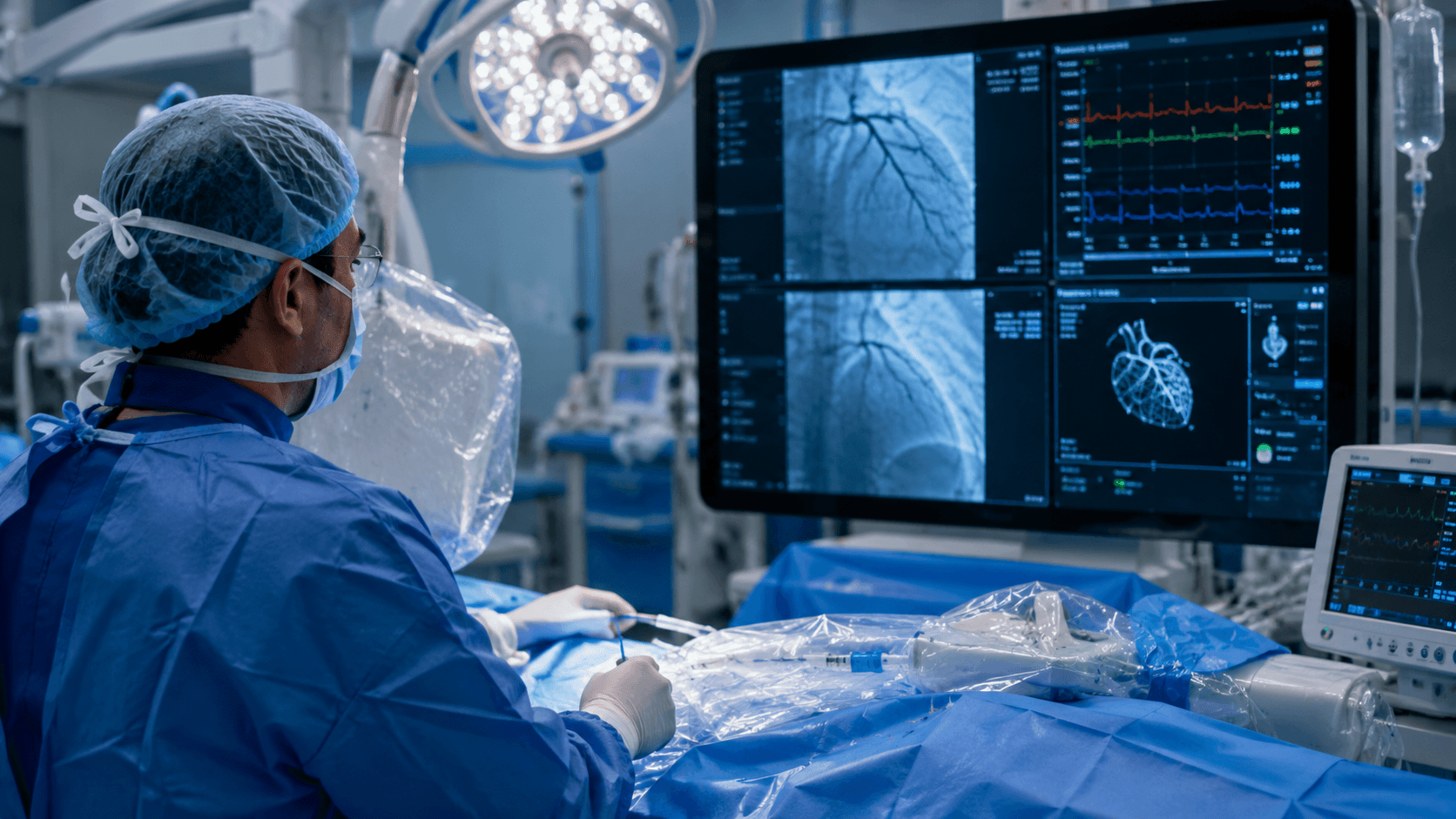
| Coronary angiography | Direct imaging of the arteries using dye and X-rays |
| Heart rhythm monitors | Irregular rhythms that come and go |
Treatment Options
Lifestyle and Risk Factor Control
This is the foundation of care: stopping smoking, regular physical activity, a heart-healthy diet, a healthy weight, limiting alcohol, and managing blood pressure, cholesterol, and diabetes.
Medicines
Doctors may prescribe medicines such as statins to lower cholesterol, blood pressure medicines, antiplatelets or anticoagulants to reduce clot risk, beta blockers, diuretics, and medicines for heart failure. Never stop or change heart medicines without speaking to your doctor.
Procedures and Surgery
- Angioplasty and stents (PCI): a balloon and a small mesh tube open a narrowed or blocked artery.
- Coronary artery bypass grafting (CABG): surgeons create new routes for blood to bypass blocked arteries.
- Valve repair or replacement: including keyhole and catheter techniques such as transcatheter aortic valve implantation (TAVI) for some patients.
- Pacemakers and implantable defibrillators: devices that regulate rhythm or treat dangerous arrhythmias.
- Ablation: targets the tissue causing certain abnormal heart rhythms.
Cardiac Rehabilitation
After a heart attack, heart surgery, or a diagnosis of heart failure, a rehabilitation programme of supervised exercise, education, and support can improve recovery and reduce the chance of future problems.
How to Protect Your Heart
- Do not smoke, and avoid second-hand smoke. Smoking is a major cause of heart disease.
- Move more. Aim for at least 150 minutes of moderate activity a week, such as brisk walking, plus muscle-strengthening activities. The NHS physical activity guidelines explain how.
- Eat well. Choose plenty of vegetables, fruit, whole grains, legumes, fish, nuts, and unsaturated oils, and limit salt, processed meat, and sugary foods. Our guide to ancient grains offers whole grain ideas.
- Know your numbers. Have your blood pressure, cholesterol, and blood sugar checked regularly.
- Keep a healthy weight and watch your waist measurement.
- Limit alcohol.
- Sleep well and manage stress. Poor sleep and chronic stress are linked to higher heart risk. See our tips on better sleep and bedding.
- Take medicines as prescribed and attend check-ups.
The AHA’s Life’s Essential 8 framework is a simple checklist of habits and health measures for heart health.
Who Is at Higher Risk?
- People with high blood pressure, high cholesterol, or diabetes
- Smokers and former smokers
- People who are overweight or inactive
- Those with a family history of early heart disease
- Older adults, and men at younger ages than women, although risk rises for women after the menopause
- People with chronic kidney disease or inflammatory conditions
Living With Heart Disease
- Follow your treatment plan and keep a list of your medicines.
- Learn your own warning signs and what to do when they appear.
- Stay active within the limits set by your care team.
- Look after your mental health. Anxiety and low mood are common after heart events, and support is available.
- Ask about cardiac rehabilitation and patient support groups.
Questions to Ask Your Cardiologist
- What exactly is my diagnosis, and how serious is it?
- Which tests do I need, and what will they tell us?
- What are my treatment options, and the benefits and risks of each?
- Which lifestyle changes will help the most?
- What symptoms should make me seek urgent care?
- When is my next check-up, and what will be monitored?
Finding a Specialist
Choose cardiologists and cardiac surgeons who are fully qualified and registered in your country. Links in this section are sponsored, and their inclusion is not an endorsement. Always check credentials and outcomes independently: Interventional Cardiologist and Advanced Heart Failure Clinic.
Frequently Asked Questions
Chest pain or pressure, pain spreading to the arm, jaw, back, or stomach, shortness of breath, cold sweats, nausea, or dizziness. Call emergency services immediately.
Coronary artery disease, heart attack, heart failure, irregular rhythms such as atrial fibrillation, valve disease, and cardiomyopathy.
Through examination, blood tests, an ECG, an echocardiogram, stress tests, CT scans, and sometimes coronary angiography.
A small mesh tube placed during angioplasty to keep a narrowed or blocked artery open.
Adults are generally advised to do at least 150 minutes of moderate-intensity activity a week, plus muscle-strengthening activities, unless a doctor advises otherwise.
Many cases can be prevented or delayed by not smoking, staying active, eating healthily, keeping a healthy weight, and controlling blood pressure, cholesterol, and diabetes.
This article is general information, not medical advice. Always seek professional help for symptoms or concerns, and call emergency services for suspected heart attack or stroke. Sponsored links are not endorsements.
Related Guides
- Lung Health Explained: Common Conditions, Symptoms, Tests, Treatment, and Prevention – Lung health explained: common conditions like asthma and COPD, warning signs, tests such as spirometry, tre…
- What Does a Chiropractor Do? Conditions Treated, Evidence, and Safety – What does a chiropractor do? Learn what they treat, what to expect at a visit, what the evidence says about…
- How Financial Planning Can Improve Cash Flow for Mental Health Practices – How financial planning can improve cash flow for mental health practices and support sustainable growth.
- Key Metrics to Track for Optimizing Behavioral Health Billing – The key metrics behavioral health providers should track to optimize their billing process.