
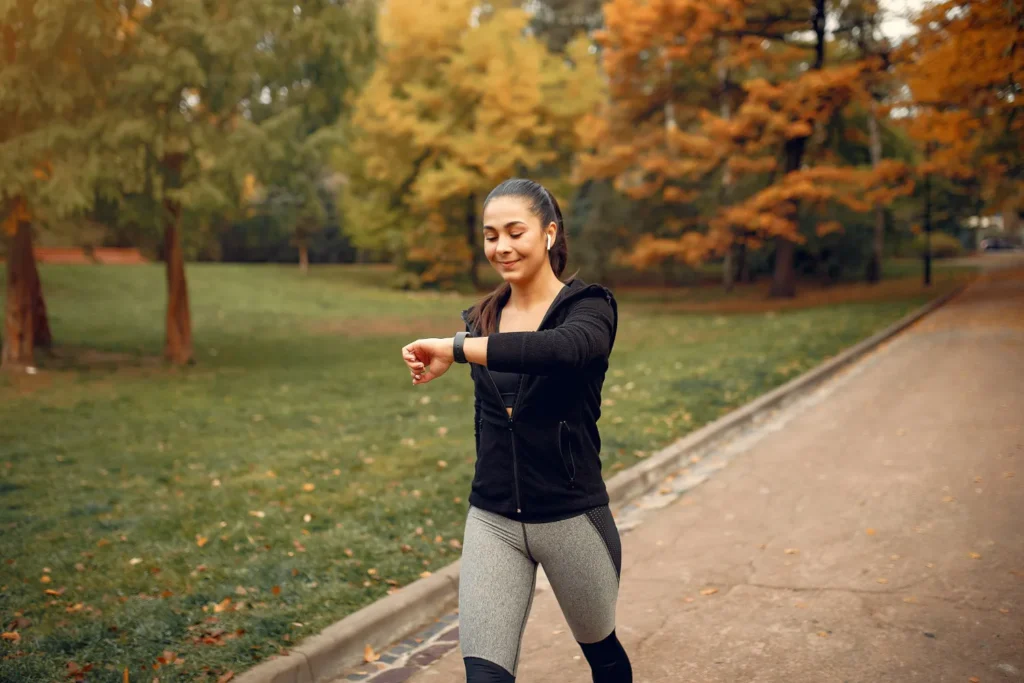
If you are searching for how to lose belly fat, you have probably tried a few quick fixes already. Maybe you did hundreds of crunches. Maybe you bought a detox tea. However, neither one works the way the ads promise. The good news is that real, lasting results come from a handful of habits. Also, you can start them this week.
This guide explains how to lose belly fat safely. It also draws on advice from Harvard Health, Mayo Clinic, the CDC, and the World Health Organization. First, you will learn what belly fat really is, how to measure it, and 12 practical steps that work. You will also get a 7-day starter plan, a food list, and clear answers to common questions.
How to Lose Belly Fat
The simplest answer to how to lose belly fat is to lose body fat overall. You cannot burn fat from one spot. Eat in a modest calorie deficit, get enough protein and fiber, walk daily, lift weights twice a week, sleep seven or more hours, and manage stress. Aim for 1 to 2 pounds (0.5 to 1 kg) per week. Finally, track your waist, not just the scale.
Key Takeaways on How to Lose Belly Fat
- Visceral fat, the deep belly fat around your organs, carries the biggest health risk.
- Spot exercises such as crunches tighten muscle but do not burn belly fat.
- A small, steady calorie deficit works better than a crash diet.
- Protein, fiber, and strength training protect muscle while you lose fat.
- Sleep, stress, alcohol, and smoking all affect how much fat you store around your waist.
- A tape measure tells you more about belly fat than a bathroom scale.
Health note: This guide is for general education only. It is not medical advice. If you have a medical condition, take regular medicines, are pregnant, or have a history of disordered eating, please talk to a doctor or registered dietitian before you change your diet or exercise plan. Also, you can read how we write and check our health content in our editorial standards.
What Is Belly Fat, and Why Is It Hard to Lose?
Belly fat is not one single thing. Instead, it comes in two main types, and they behave very differently.
The first type, subcutaneous fat, sits just under your skin. It is also the soft fat you can pinch. According to Harvard Health, about 90% of body fat is subcutaneous.
In contrast, visceral fat lies deeper, inside your abdomen. It also surrounds organs such as the liver and intestines. It makes up only about 10% of your total fat. Even so, it matters most for your health.
Mayo Clinic explains that a large amount of belly fat raises the risk of high blood pressure, heart disease, type 2 diabetes, fatty liver, stroke, and some cancers. This is also true for people at a normal weight.
| Feature | Subcutaneous fat | Visceral fat |
|---|---|---|
| Where it sits | Under the skin | Deep inside the abdomen, around organs |
| Share of body fat | About 90% | About 10% |
| Can you pinch it? | Yes | No |
| Main health concern | Mostly cosmetic | Linked to heart disease and diabetes |
| Responds to diet and exercise? | Yes | Yes |
Why belly fat can feel so stubborn
Several things make it harder to lose belly fat as life goes on:
- Muscle loss with age. You lose muscle as you get older. Less muscle means you burn fewer calories at rest, according to Mayo Clinic.
- Hormone changes. After menopause, lower estrogen levels shift fat toward the abdomen. Many women also notice a bigger waist even when their weight stays the same.
- Genes. Your genes influence how likely you are to gain weight and where your body stores it.
- Lifestyle. Poor sleep, high stress, alcohol, and smoking all make belly fat more likely.
Here is the encouraging part. Mayo Clinic notes that visceral fat responds to the same diet and exercise strategies that help you lose other body fat. So you do not need a special “belly fat diet.” You need a plan you can follow for months.
How to Measure Your Belly Fat Before You Start
Measuring your waist is the first step in how to lose belly fat. A scale shows your total weight. However, it does not show where that weight sits. A tape measure does. In fact, Harvard Health calls a tape measure the best way to keep an eye on visceral fat.
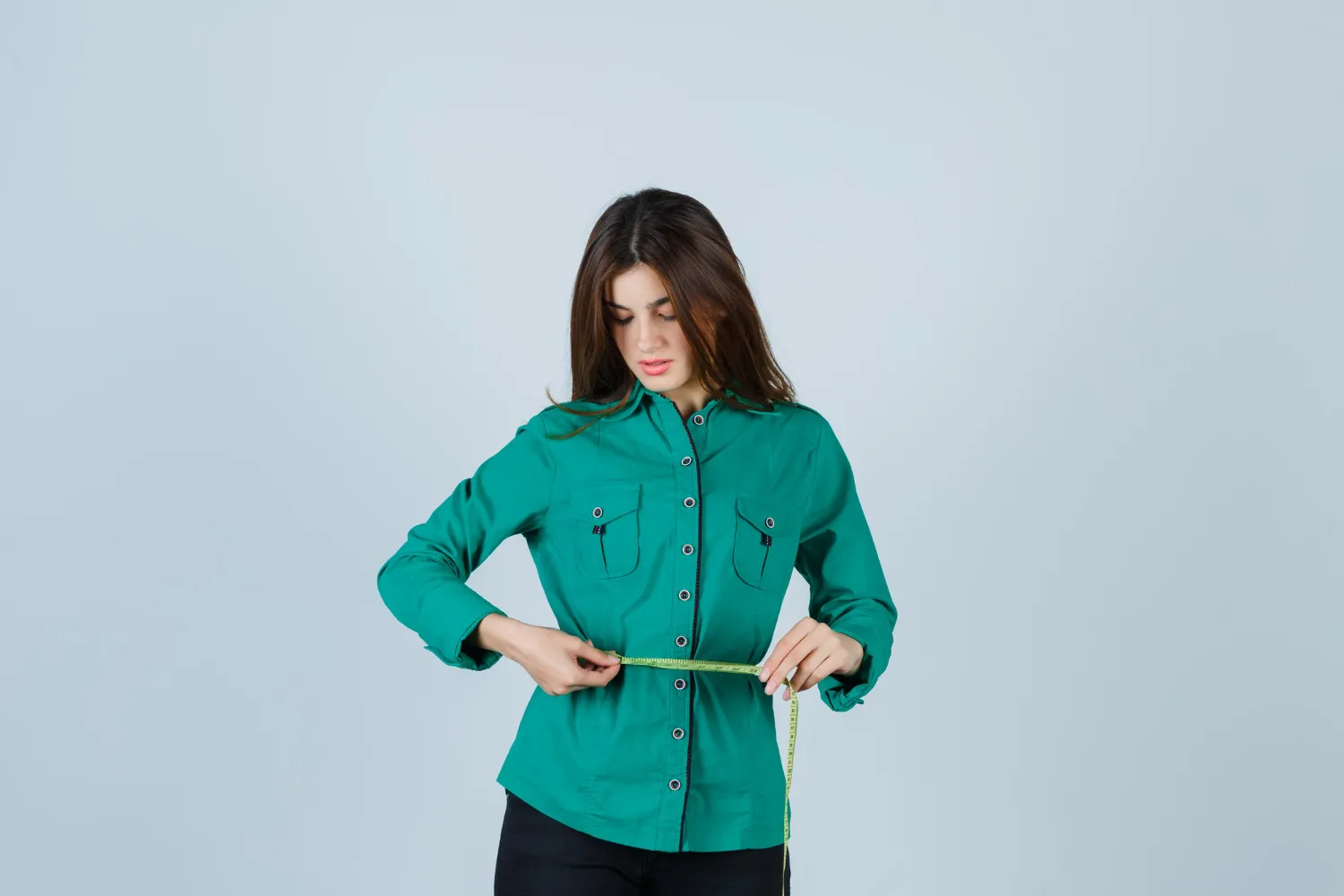
Follow these steps, based on Mayo Clinic guidance:
- Stand up straight with a bare stomach.
- Place the tape around your waist, just above your hip bones.
- Keep the tape level all the way around. It should be snug but should not press into your skin.
- Relax, breathe out, and read the number. Do not suck in your stomach.
- Write it down. Measure again every two weeks at the same time of day.
What your waist number means
Health bodies use different cut-offs, but they are all screening tools, not a diagnosis.
| Guideline | Men | Women |
|---|---|---|
| CDC / NHLBI (higher risk above) | 40 in (102 cm) | 35 in (88 cm) |
| NHS UK (raised risk from) | 37 in (94 cm) | 31.5 in (80 cm) |
| International Diabetes Federation, South Asian adults (raised risk from) | 35.4 in (90 cm) | 31.5 in (80 cm) |
South Asian adults tend to store more fat around the organs at a lower waist size. For that reason, lower cut-offs apply. You can also learn more about healthy weight ranges on the NHS healthy weight page.
There is also a simple rule of thumb. In other words, keep your waist at less than half of your height. For example, if you are 66 inches tall, aim for a waist under 33 inches.
Can You Spot-Reduce Belly Fat?
No, you cannot. In fact, this is the biggest myth about how to lose belly fat.
Harvard Health says that spot exercises, such as sit-ups, can tighten your abdominal muscles but will not get at visceral fat. Likewise, Mayo Clinic agrees that crunches alone will not remove belly fat. Instead, your body loses fat from all over, and genes and hormones decide the order.
Because of this, many popular products do not work:
- Detox teas and “flat tummy” drinks
- Waist trainers and sweat belts
- Belly-fat creams and wraps
- Single “magic” foods or supplements
- Extreme diets that promise results in days
What does work is losing fat overall. So the next 12 steps show you how.
Step 1: Create a Small Calorie Deficit to Lose Belly Fat
First, fat loss comes down to energy balance. This is the foundation of how to lose belly fat. You lose body fat when you burn more calories than you eat over time. Your body then uses stored fat for fuel, including some belly fat.
The CDC says that people who lose weight gradually, about 1 to 2 pounds (0.5 to 1 kg) a week, are more likely to keep it off. For example, a deficit of about 500 calories a day leads to roughly 1 pound of loss per week. A bigger deficit may speed things up. However, it is also harder to maintain.
Try these simple ways to cut calories without feeling starved:
- Use smaller plates and bowls. Portions shrink without effort.
- Fill half your plate with vegetables. They add volume for few calories.
- Measure oil, ghee, and butter. These are easy to overpour.
- Log your food for two weeks. You will quickly see where extra calories hide.
- Eat slowly. Your brain can take about 20 minutes to register fullness.
Mayo Clinic also reminds us that calories add up even when you choose healthy foods. So portion size still matters.
Avoid very low-calorie diets unless a doctor supervises you. They often cause muscle loss, tiredness, and rebound weight gain. As a result, they can make belly fat harder to lose in the long run.
Step 2: Eat More Protein at Every Meal
Protein is a key part of how to lose belly fat. First, it keeps you full for longer. It also helps protect your muscle while you lose weight. That matters because muscle burns more calories than fat.
Many dietitians suggest about 1.2 to 1.6 grams of protein per kilogram of body weight each day during weight loss. For an 80 kg adult, that is roughly 96 to 128 grams a day. However, people with kidney disease should ask their doctor before raising protein.
Good protein sources include:
- Eggs and plain yogurt
- Chicken, fish, and lean meat
- Lentils (daal), chickpeas (chana), and beans
- Tofu and tempeh
- Milk, paneer, and cottage cheese
Aim for a palm-sized portion of protein at each meal. Then spread your intake across the day instead of eating most of it at dinner.
Step 3: Fill Up on Fiber-Rich Foods
Fiber is an easy win in how to lose belly fat. It slows digestion and helps you feel full on fewer calories. In fact, research links higher fiber intake, especially soluble fiber, with less visceral fat gain over time. Soluble fiber is found in oats, beans, lentils, apples, citrus fruit, and flaxseeds.
However, most adults eat far less fiber than they need. The Dietary Guidelines for Americans recommend about 14 grams of fiber per 1,000 calories. For many adults, that is roughly 25 to 30 grams a day.
Here is how to raise your fiber without a big change:
- Swap white bread or white rice for whole wheat roti, oats, or brown rice.
- Add a handful of beans or lentils to soups and curries.
- Eat whole fruit instead of juice.
- Snack on raw vegetables, such as carrots, cucumber, and celery.
Increase fiber slowly over two weeks, and drink plenty of water. Otherwise, you may feel bloated.
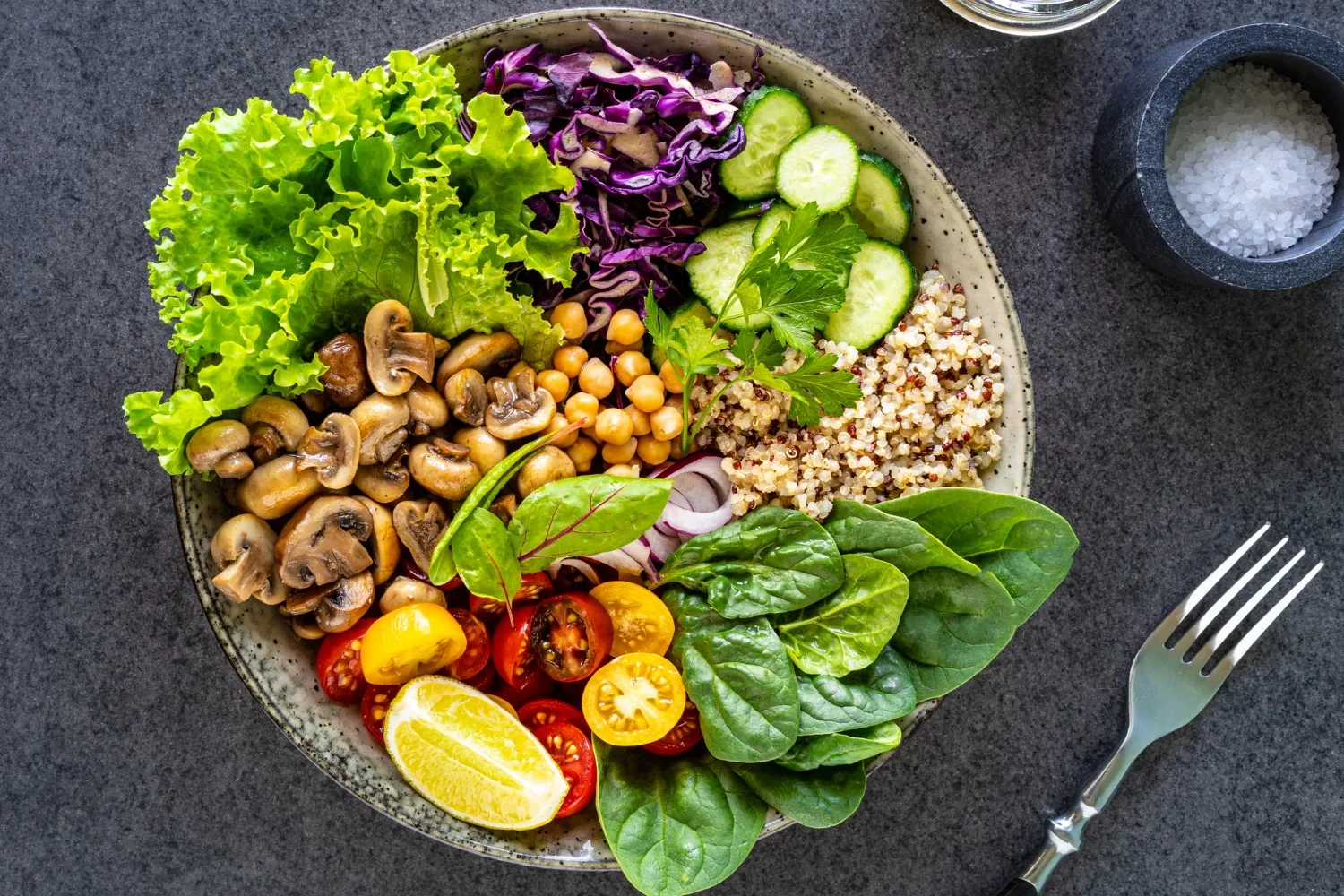
Step 4: Cut Back on Sugary Drinks and Ultra-Processed Foods
Liquid calories are the easiest ones to overlook. For example, a single can of soda holds about 140 calories. Sweet chai, bottled juice, energy drinks, and sweet lassi also add up fast. In addition, your body does not feel as full after drinking calories as it does after eating them.
Mayo Clinic also advises replacing sugary drinks with water or other drinks without sugar. This is one of the simplest changes you can make when you want to learn how to lose belly fat.
Next, ultra-processed foods are another trap. Chips, packaged biscuits, sweets, and fast food are designed to be easy to overeat. They are high in calories but low in fiber and protein.
Try these swaps:
- Swap soda for sparkling water and lemon.
- Trade sweet chai for a smaller cup with less sugar.
- Pick roasted chickpeas or a small handful of nuts instead of chips.
- Choose fruit, yogurt, or boiled eggs instead of fried snacks.
You do not need to ban every treat. Instead, make treats smaller and less frequent.
Step 5: Choose Smarter Fats and Carbs
You do not have to cut out all carbs or all fat. Instead, you just need to choose better types.
First, Mayo Clinic recommends limiting processed meats and saturated fat, which is found in fatty meat and high-fat dairy. Instead, choose moderate amounts of unsaturated fats from fish, nuts, seeds, and olive oil.
For carbs, pick whole grains over refined ones. Whole wheat roti, oats, brown rice, and quinoa digest more slowly. As a result, they keep you full longer than white bread, pastries, or sweets.
For example, a Mediterranean-style pattern is a good model. It includes plenty of vegetables, fruit, legumes, whole grains, fish, nuts, and olive oil. However, no single diet wins for everyone. The best plan is the one you can follow for years.
Step 6: Walk More and Do Regular Cardio to Lose Belly Fat
Cardio is an important part of how to lose belly fat. It helps you burn calories and improves heart health. It also supports your calorie deficit.
The World Health Organization recommends that adults do 150 to 300 minutes of moderate activity a week. You can also do 75 to 150 minutes of vigorous activity, or a mix of both. In addition, Mayo Clinic notes that you may need more than this if your goal is weight loss.
First, brisk walking is the easiest place to start. You should be able to talk but not sing. Here is how to build the habit:
- Walk for 30 minutes, five days a week.
- Split it into three 10-minute walks if that suits your day.
- Walk for 10 minutes after each meal.
- Take the stairs and park farther away.
- Aim for a step goal that grows over time. Many people target 7,000 to 10,000 steps a day.
Other good options include cycling, swimming, dancing, and jogging. Choose something you enjoy, because you will keep doing it.
Step 7: Lift Weights Twice a Week
Strength training is another pillar of how to lose belly fat for good. It builds and protects muscle. As a result, your metabolism stays steady while you lose fat. WHO recommends muscle-strengthening activity on at least two days a week. Mayo Clinic also notes that there is some evidence that strength training can help reduce belly fat.
You do not need a gym. Instead, a simple beginner routine works well at home:
- Squats or sit-to-stands: 3 sets of 10
- Push-ups (wall, knee, or full): 3 sets of 8
- Dumbbell or band rows: 3 sets of 10
- Glute bridges: 3 sets of 12
- Plank: 3 holds of 20 to 30 seconds
Then rest for 60 to 90 seconds between sets. When the exercises feel easy, add reps, add weight, or use a harder version.
Core exercises are useful too. They improve posture and protect your back. However, they will not melt belly fat by themselves.
Step 8: Add Short Intervals If You Are Ready
High-intensity interval training, or HIIT, alternates short bursts of hard effort with easy recovery. Mayo Clinic also states that there is some evidence HIIT can help reduce belly fat.
A simple beginner session looks like this:
- Warm up for 5 minutes.
- Go hard for 30 seconds, for example fast cycling or fast walking uphill.
- Recover for 60 to 90 seconds at an easy pace.
- Repeat 6 to 8 times.
- Cool down for 5 minutes.
Do HIIT once or twice a week, not every day. Your body needs time to recover, so rest between sessions. In addition, HIIT is not right for everyone. If you have heart disease, high blood pressure, joint problems, or you are pregnant, ask your doctor first.
Step 9: Protect Your Sleep to Help Lose Belly Fat
Sleep is an underrated part of how to lose belly fat. Harvard Health reports that adults who sleep five hours or less a night gather more visceral fat. Short sleep also raises hunger and cravings for sugary, fatty foods. As a result, it is harder to stay in a calorie deficit.
Most adults need seven or more hours of sleep. For example, these habits help:
- Go to bed and wake up at the same time every day.
- Turn off screens one hour before bed.
- Keep your bedroom dark, quiet, and cool.
- Avoid caffeine in the late afternoon and evening.
- Avoid large, heavy meals right before bed.
Step 10: Manage Stress Before It Grows Your Waistline
When stress stays high, many people eat more comfort food, sleep worse, and move less. Researchers also link long-term stress with more fat around the abdomen. That is why stress management belongs in any plan for how to lose belly fat.
Try small, regular stress breaks:
- Take a 10-minute walk outside.
- Practice slow breathing for five minutes.
- Pray, meditate, or write in a journal.
- Talk to a friend or family member.
- Limit late-night news and social media scrolling.
If stress or low mood feels overwhelming, please speak to a doctor or a mental health professional. Getting support is a strong move, not a weak one.
Step 11: Quit Smoking and Limit Alcohol
Harvard Health notes that the more you smoke, the more likely you are to store fat in your belly. Mayo Clinic also lists drinking alcohol and smoking as factors that increase belly fat.
Some people gain a few pounds after they quit smoking. Even so, quitting protects your heart and lungs, and the health benefits far outweigh the small weight gain. Also, pair your quit plan with daily walks and a high-protein diet to stay on track.
Alcohol adds calories without making you feel full. It can also lower your willpower around food. If you drink, keep it low. If you do not drink, there is no reason to start.
Step 12: Track Your Waist and Stay Patient
Progress is rarely a straight line. Your weight can go up and down by a few pounds from water, salt, and hormones. So track more than one number:
- Waist circumference: every two weeks
- Body weight: once a week, same day and time
- Photos: once a month, same light and pose
- How your clothes fit: a great real-world check
- Energy, sleep, and mood: often the first things to improve
If your waist and weight do not change for three to four weeks, adjust one thing at a time. For example, trim 100 to 200 calories, add 10 minutes of walking, or add one strength session. Do not slash your food intake sharply, because that usually backfires.
Foods to Eat and Foods to Limit
Use this table as a simple grocery guide for how to lose belly fat.
| Eat more of | Limit |
|---|---|
| Vegetables and fruit | Sugary drinks and juices |
| Lentils, chickpeas, and beans | Sweets, pastries, and white bread |
| Eggs, fish, chicken, and plain yogurt | Fried and packaged snacks |
| Oats, brown rice, and whole wheat roti | Processed meats such as sausages and nuggets |
| Nuts and seeds (small portions) | Fast food and very large portions |
| Olive oil and other unsaturated oils | Excess alcohol |
A Simple 7-Day Plan: How to Lose Belly Fat in Your First Week
Big plans fail when they feel overwhelming. Use this one-week plan to build momentum. Then repeat it and add one new habit each week.
| Day | Focus | What to do |
|---|---|---|
| 1 | Measure | Record your waist, weight, and a photo. Pick three habits to build. |
| 2 | Drinks | Swap sugary drinks for water or unsweetened tea. |
| 3 | Walk | Take a brisk 30-minute walk. |
| 4 | Strength | Do the 5-move beginner routine from Step 7. |
| 5 | Plate | Add protein and vegetables to every meal. |
| 6 | Sleep | Set a bedtime and turn screens off one hour earlier. |
| 7 | Review | Take an easy walk. Review the week and plan the next one. |
How Long Does It Take to Lose Belly Fat?
There is no exact timeline for how to lose belly fat, because everyone is different. Age, sex, genes, sleep, and starting point all play a role. However, a realistic target is 1 to 2 pounds per week, as the CDC suggests.
Many people notice that their clothes fit differently after a few weeks. However, bigger changes in your waist measurement usually take two to three months of steady habits. So be patient and measure often.
Keep in mind that losing weight is only half the job. Keeping it off is the other half. That is why slow, steady loss helps you build habits that last.
Common Mistakes When Learning How to Lose Belly Fat
Watch out for these common traps:
- Relying on crunches. They tone muscle but do not target belly fat.
- Cutting calories too far. This leads to muscle loss and binges.
- Skipping protein. You feel hungrier and lose more muscle.
- Ignoring liquid calories. Sweet drinks quietly erase your deficit.
- Using the scale only. Muscle gain and water shifts can hide progress.
- Sleeping too little. It raises hunger and cravings.
- Quitting in week three. Most habits feel hardest right before they stick.
- Trusting fat-burner supplements. They are not a replacement for habits, and some can be unsafe.
When to See a Doctor
Talk to your doctor if any of these apply to you:
- Your waist is above the risk cut-offs and you also have high blood pressure, high blood sugar, or high cholesterol.
- You gain weight around your middle despite healthy eating and regular activity.
- Extreme tiredness, cold sensitivity, or hair loss appears, which can point to a thyroid problem.
- Irregular periods or excess facial hair appear, which can point to polycystic ovary syndrome (PCOS).
- Medicines you take, such as steroids, can cause weight gain.
- Pregnancy, breastfeeding, or a history of an eating disorder applies to you.
Seek urgent medical care if your belly swells quickly, feels hard or painful, or comes with vomiting, yellow skin, or blood in your stool. Sudden swelling is not always fat. Instead, it can signal a medical problem.
Frequently Asked Questions About How to Lose Belly Fat
What is the fastest way to lose belly fat?
There is no safe, instant method. Instead, the fastest healthy route is to combine a modest calorie deficit, more protein and fiber, daily walking, strength training, and good sleep. Aim for 1 to 2 pounds a week. In fact, crash diets and fat burners often backfire.
How to lose belly fat in two weeks?
You can start good habits in two weeks, but you cannot expect large fat loss. Early changes on the scale are often water weight, so focus on building routines you can keep. Real changes in waist size usually take two to three months.
Does walking burn belly fat?
Walking burns calories, and that supports overall fat loss, which includes belly fat. However, it cannot target one area. WHO also recommends 150 to 300 minutes of moderate activity a week. Brisk walking for 30 minutes on most days is a great start.
Which exercise is best for belly fat?
No single exercise is best. Instead, a mix works well: regular cardio, strength training twice a week, and possibly short intervals. Mayo Clinic also notes some evidence that HIIT and strength training can help reduce belly fat. Crunches alone will not do it.
How to lose belly fat after 40 or after menopause?
Muscle loss and lower estrogen make belly fat more likely at this stage. Because of this, prioritize strength training, enough protein, regular walking, and good sleep. Measure your waist regularly. Finally, talk to your doctor about changes in hormones and any other health concerns.
Does drinking water help you lose belly fat?
Water does not burn belly fat directly. However, drinking it instead of sugary drinks cuts calories, and it may help you feel full. Replacing soda, juice, and sweet chai with water is one of the easiest ways to start.
How to lose belly fat without exercise?
You can lose weight through diet alone. However, exercise protects muscle, improves health, and helps you keep the weight off. In fact, even daily walking makes a difference. So for best results, combine healthy eating with regular movement.
How to Lose Belly Fat
Learning how to lose belly fat is less about secret tricks and more about steady habits. Measure your waist, create a small calorie deficit, eat more protein and fiber, move every day, lift weights, and protect your sleep. Do these things consistently, and your waistline will follow.
Start today with one small step. Grab a tape measure, write down your number, and pick the first habit from the 7-day plan. Then build from there, one week at a time. If you would like to know more about us, visit our About page. Also, if you spot an error or have a question, please contact us.