
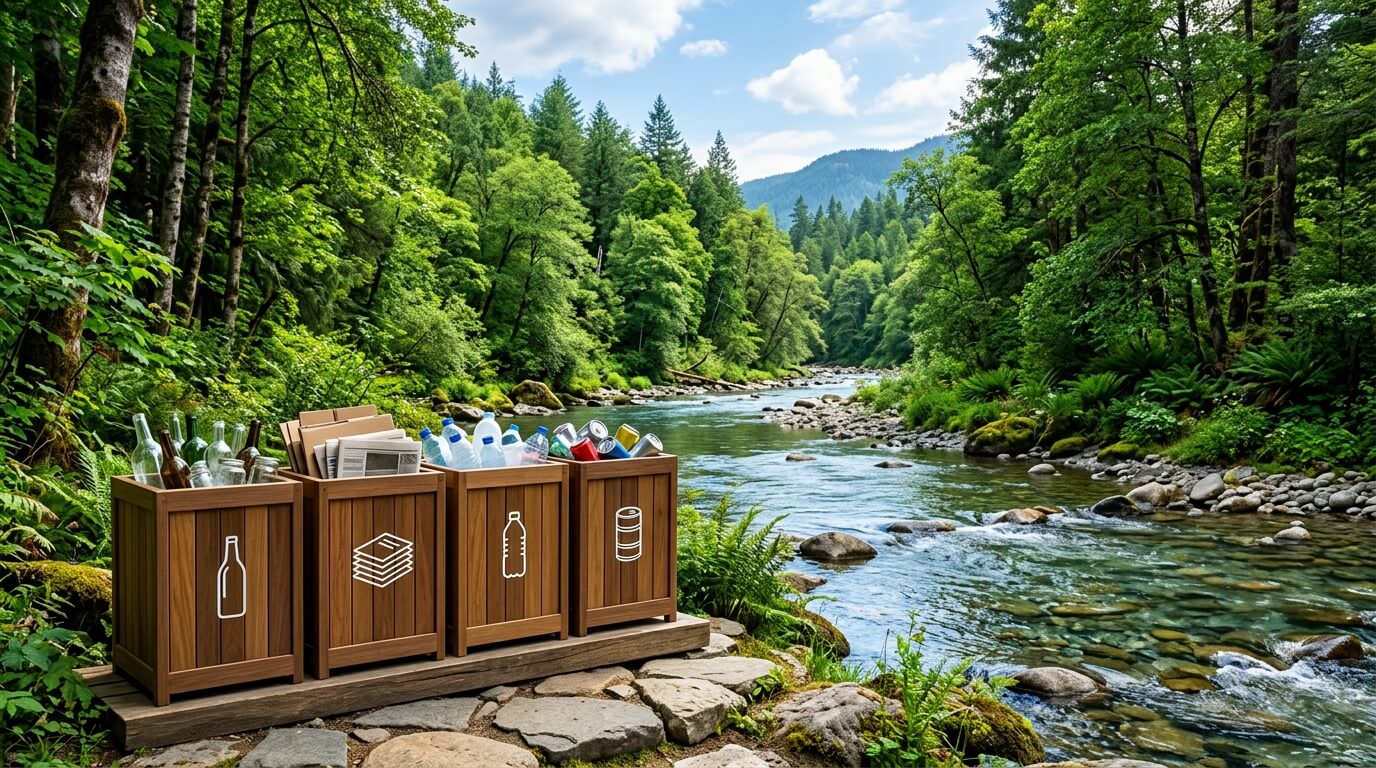
Recycling is important because it conserves natural resources, usually saves energy compared with making products from raw materials, reduces landfill and pollution, cuts emissions, and supports jobs. It works best alongside reducing and reusing, which prevent waste from being created in the first place.
Key takeaways
- Recycling conserves resources and usually uses less energy than producing new materials.
- It reduces landfill, pollution, and some greenhouse gas emissions.
- Contamination is a major problem, so follow local rules and rinse containers.
- Reduce and reuse come before recycling in the waste hierarchy.
In this guide
- 10 Reasons Why Recycling Is Important
- What Can Be Recycled?
- The Limits of Recycling
- How to Recycle Better
- Common Recycling Myths
- Recycling at Work and in the Community
- Frequently Asked Questions
Last updated: October 2026
Recycling is easy to take for granted, but the reasons behind it are practical and concrete. It affects the resources we use, the energy we consume, the waste we bury, and even local jobs. This guide covers 10 clear benefits, what recycling can and cannot do, and how to make your own efforts count.
10 Reasons Why Recycling Is Important
- It conserves natural resources. Reusing paper, metal, glass, and plastic reduces the need to cut trees, mine ore, and extract oil.
- It saves energy. Making products from recycled materials usually takes less energy than starting from raw materials. For aluminium the saving is commonly cited as up to about 95%.
- It reduces landfill. Less waste buried means less land used and fewer long-term disposal problems.
- It cuts pollution. Extracting and processing raw materials causes air and water pollution, and recycling can lower some of that impact.
- It lowers greenhouse gas emissions. Less energy-intensive production often means fewer emissions, and diverting organic waste from landfill reduces methane.
- It protects habitats and wildlife. Less mining, logging, and drilling means less disturbance to ecosystems.
- It supports jobs and local economies. Collection, sorting, and processing create employment.
- It can reduce costs. Recycled materials can be cheaper for manufacturers to use, and better sorting can reduce disposal costs for councils.
- It builds a circular economy. Materials stay in use for longer instead of being thrown away after one life.
- It encourages responsible habits. Recycling often leads people to think more about what they buy and throw away.
What Can Be Recycled?
| Material | Examples | Good to know |
|---|---|---|
| Paper and cardboard | Newspapers, boxes, office paper | Keep dry and clean. Greasy pizza boxes often cannot be recycled. |
| Glass | Bottles and jars | Glass can be recycled many times without losing quality. |
| Metal | Aluminium cans, steel tins | Metals are highly recyclable and valuable. |
| Plastics | Bottles, tubs, trays | Rules vary widely. Check your local list, not just the symbol. |
| Electronics | Phones, laptops, cables | Use take-back or special collection, not household bins. |
| Batteries | Household and rechargeable | Take to designated drop-off points. |
The Limits of Recycling
Recycling is valuable, but it is not a complete solution on its own:
- Contamination: food and wrong materials can spoil an entire load.
- Downcycling: some materials, especially certain plastics, can only be turned into lower-grade products.
- Not everything is accepted: mixed materials, some films, and coated paper are hard to recycle.
- It still uses energy and transport: so reducing and reusing are even better.
That is why environmental agencies rank “reduce” and “reuse” above recycling. For practical ways to cut waste at home, see our guide on how to reduce household waste and our article on eco-friendly waste solutions.
How to Recycle Better
- Learn your local rules. Check your council or waste authority for the accepted list.
- Empty and rinse containers lightly so food does not contaminate other items.
- Keep recyclables loose unless your scheme asks for bags.
- Do not guess. If an item is not on your local list, leave it out.
- Find special drop-off points for batteries, electronics, and textiles. The US-based Earth911 recycling search can help you locate them, and the EPA recycling pages explain the basics.
- Buy products made from recycled content to support the market for recycled materials.
Common Recycling Myths
- “Everything with a recycling symbol can be recycled.” Not always. The symbol shows the material type, not whether your local facility accepts it.
- “It is fine to put in doubtful items.” Wrong items can contaminate good material.
- “Recycling fixes the waste problem.” It helps, but producing less waste matters more.
- “Labels and lids must always be removed.” Rules differ, so follow local guidance.
Recycling at Work and in the Community
Businesses, schools, and offices can have a bigger impact than individuals. Simple steps include clear labelled bins, regular staff reminders, switching to digital documents, and choosing suppliers that use recycled or recyclable packaging. Community groups can also run repair cafes, clothing swaps, and collection drives.
Frequently Asked Questions
It conserves natural resources, saves energy, reduces landfill and pollution, and can lower greenhouse gas emissions.
Resource conservation, energy savings, less waste in landfill, lower pollution, job creation, and lower costs for some manufacturers.
Yes, especially for materials like aluminium, paper, and glass, but it works best when combined with reducing and reusing.
This depends on your area. Items such as food-soiled packaging, mixed materials, and some plastic films are often not accepted. Check your local list.
Food or wrong items in recycling can spoil otherwise good material, which may then be rejected or sent to landfill.
Yes. Preventing waste uses no extra energy for processing, which is why reduce and reuse rank above recycling.
This article is general information. Recycling rules differ by location, so follow your local authority guidance.



