
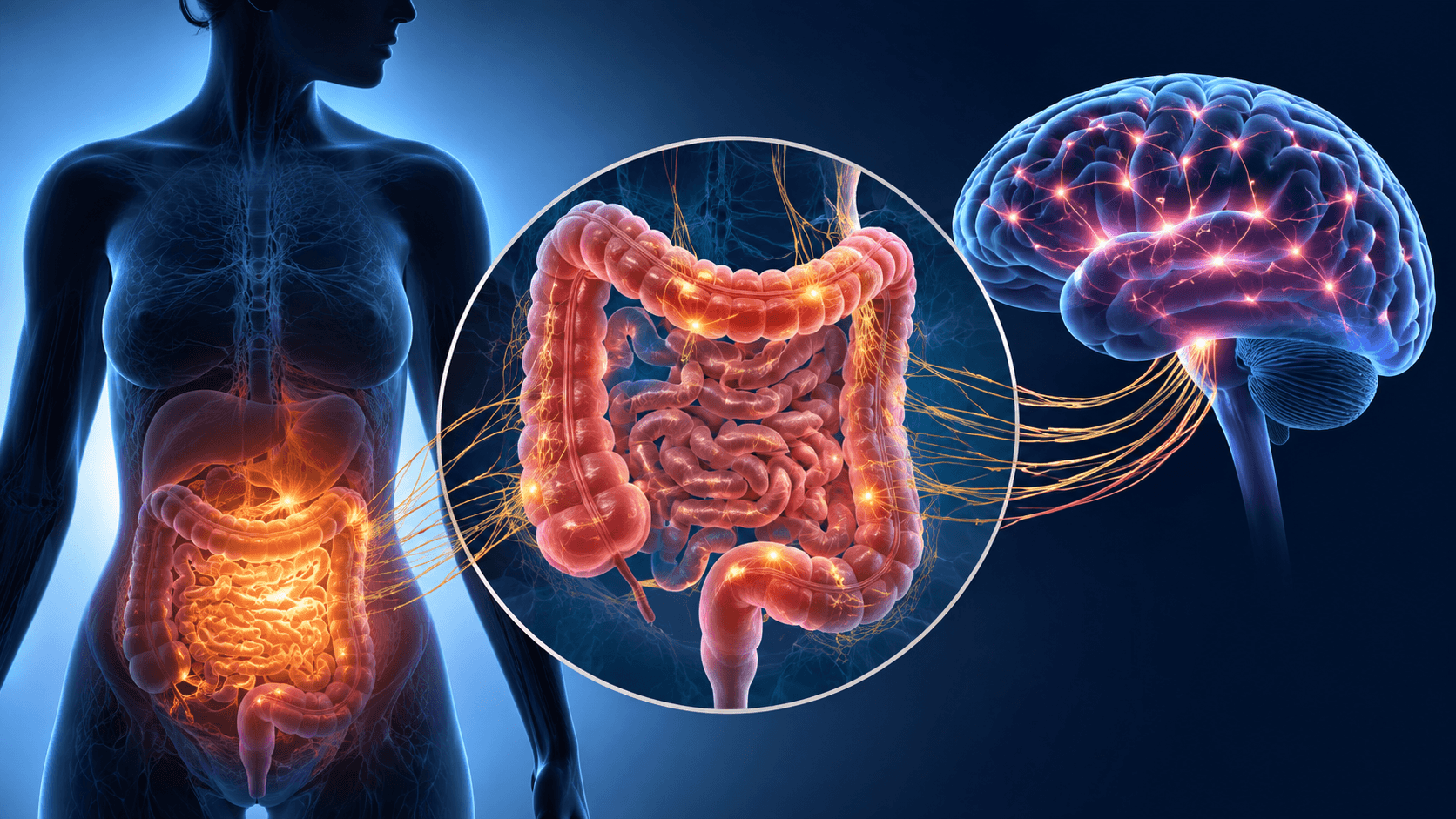
Visceral hypersensitivity means the internal organs, especially the gut, are more sensitive to normal sensations such as stretching or gas, which can cause pain and bloating. It is linked to irritable bowel syndrome, functional dyspepsia, and other functional gut conditions, and is often managed with diet changes, gut-brain therapies, and sometimes medicines.
Key takeaways
- Visceral hypersensitivity is an increased sensitivity of the gut nerves and pain pathways.
- It is linked to IBS, functional dyspepsia, and functional abdominal pain.
- Red-flag symptoms such as blood in stools, weight loss, or anaemia need medical review.
- Diet changes, gut-directed hypnotherapy, CBT, exercise, and sometimes medicines can help.
In this guide
- What Is Visceral Hypersensitivity?
- Conditions Linked to Visceral Hypersensitivity
- Common Symptoms
- Why Does It Happen?
- How Is It Diagnosed?
- Symptoms That Need Prompt Medical Attention
- Management and Treatment Options
- Living With Visceral Hypersensitivity
- Common Mistakes
- Frequently Asked Questions
Last updated: October 2026
Some people feel pain, bloating, or cramping after eating a normal meal, yet tests show nothing structurally wrong with their gut. One explanation for these puzzling symptoms is visceral hypersensitivity, in which the nerves of the digestive system react too strongly to normal sensations. This guide explains what visceral hypersensitivity is, the conditions linked to it, why it happens, and the approaches that can help. It is general information, not a diagnosis.
What Is Visceral Hypersensitivity?
“Visceral” refers to the internal organs, such as the stomach and intestines. Visceral hypersensitivity means that these organs become more sensitive to stimulation than usual. Normal events, such as stretching of the gut wall by gas or food, can be felt as discomfort or pain. It is a key feature of several functional gut conditions, where symptoms are real and troublesome even though routine tests often look normal.
Conditions Linked to Visceral Hypersensitivity
| Condition | Typical symptoms |
|---|---|
| Irritable bowel syndrome (IBS) | Abdominal pain, bloating, and diarrhoea, constipation, or both |
| Functional dyspepsia | Upper abdominal pain or burning, early fullness, and bloating after meals |
| Functional abdominal pain | Ongoing abdominal pain not explained by structural disease |
| Some bladder and pelvic pain conditions | Pain or urgency with normal bladder filling |
Visceral hypersensitivity is not the only factor in these conditions, but it is thought to contribute to the pain and discomfort in many people. Clinical definitions such as the Rome criteria are explained by the Rome Foundation.
Common Symptoms
- Abdominal pain or cramping, often relieved or changed by passing stools or gas
- Bloating and feeling of fullness out of proportion to what was eaten
- Increased sensitivity to normal gut movements
- Urgency or changes in bowel habits
- Symptoms that worsen with stress, poor sleep, or certain foods
Why Does It Happen?
Researchers believe several mechanisms play a role, and they often overlap:
- Sensitised gut nerves: the nerves in the gut wall react more strongly to normal stimuli.
- Changes in the brain and spinal cord: the way pain signals are processed can become heightened, a process called central sensitisation.
- The gut-brain axis: the gut and brain communicate constantly, so stress, anxiety, and low mood can amplify symptoms.
- After an infection or inflammation: some people develop long-lasting sensitivity after gut infections.
- Gut microbiome and immune factors: changes in gut bacteria and low-grade immune activation may contribute, although this is still being studied.
How Is It Diagnosed?
There is no single everyday test for visceral hypersensitivity. Doctors usually diagnose conditions such as IBS and functional dyspepsia from your symptoms, medical history, examination, and a limited set of tests to rule out other causes. In research settings, balloon distension tests can measure pain thresholds, but they are not routine.
Symptoms That Need Prompt Medical Attention
See a doctor promptly, rather than assuming it is a functional problem, if you have any of the following:
- Blood in your stools, or black stools
- Unexplained weight loss
- Persistent vomiting or difficulty swallowing
- Anaemia or unusual tiredness
- Severe or worsening pain, or pain waking you at night
- New bowel symptoms starting after the age of 50
- A family history of bowel cancer or inflammatory bowel disease
Inflammatory bowel disease, coeliac disease, and other conditions can cause similar symptoms but need different treatment. Charities such as Crohn’s & Colitis UK explain the differences.
Management and Treatment Options
Treatment aims to reduce symptoms and improve quality of life, and what works varies from person to person. Guidance such as the NICE guideline on IBS and information from the NHS and NIDDK describe the main approaches.
Diet and Lifestyle
- Regular meals: eat at regular times and avoid very large meals.
- Keep a symptom diary: track foods, stress, sleep, and symptoms to spot patterns.
- Low FODMAP diet: some people benefit from temporarily reducing certain fermentable carbohydrates. This is best done with a registered dietitian, using resources such as Monash University FODMAP. Even healthy foods, such as some whole grains, can trigger symptoms in some people, so discuss changes with your dietitian. Our article on ancient grains lists grains and which contain gluten, but individual tolerance varies.
- Physical activity: regular, moderate exercise often improves symptoms.
- Sleep: poor sleep can worsen gut symptoms. See our guide to choosing bedding for better sleep.
Psychological and Gut-Brain Therapies
- Gut-directed hypnotherapy: has good evidence for IBS in trained hands.
- Cognitive behavioural therapy (CBT): helps with coping, worry about symptoms, and stress.
- Relaxation and mindfulness: can calm the gut-brain connection.
Medicines
Depending on your symptoms, a doctor may suggest antispasmodics, fibre supplements, laxatives or anti-diarrhoeal medicines, peppermint oil, or low-dose medicines that act on nerve pain pathways. These work differently from standard pain relief and should only be used as prescribed. Never start or stop prescription medicines without medical advice.
Living With Visceral Hypersensitivity
- Get a proper diagnosis first. Make sure serious causes have been ruled out.
- Be patient. Improvement is often gradual.
- Change one thing at a time. It is easier to see what helps.
- Look after stress and mood. Support from friends, family, or counselling can help.
- Join a support community. Groups such as The IBS Network offer practical advice and peer support.
Common Mistakes
- Cutting out many foods without guidance, which can lead to poor nutrition.
- Ignoring red-flag symptoms because “it is just my gut”.
- Relying on unproven supplements or expensive tests with no medical basis.
- Expecting a quick cure rather than steady symptom management.
Frequently Asked Questions
It is when the nerves of the internal organs, especially the gut, react too strongly to normal sensations, causing pain or discomfort.
Possible factors include sensitised gut nerves, changes in pain processing in the brain, stress, past gut infections, and changes in the gut microbiome.
No, but it is thought to contribute to pain and discomfort in many people with IBS and some other functional gut conditions.
Treatment focuses on symptoms and may include diet changes, stress management, gut-directed hypnotherapy, CBT, exercise, and medicines prescribed by a doctor.
See a doctor if you have blood in your stools, unexplained weight loss, anaemia, persistent vomiting, severe or worsening pain, or new bowel symptoms after age 50.
Yes. The gut and brain are closely linked, so stress and anxiety can amplify gut symptoms.
This article is general information and not medical advice. See a doctor for diagnosis and treatment of ongoing or worrying symptoms.



