
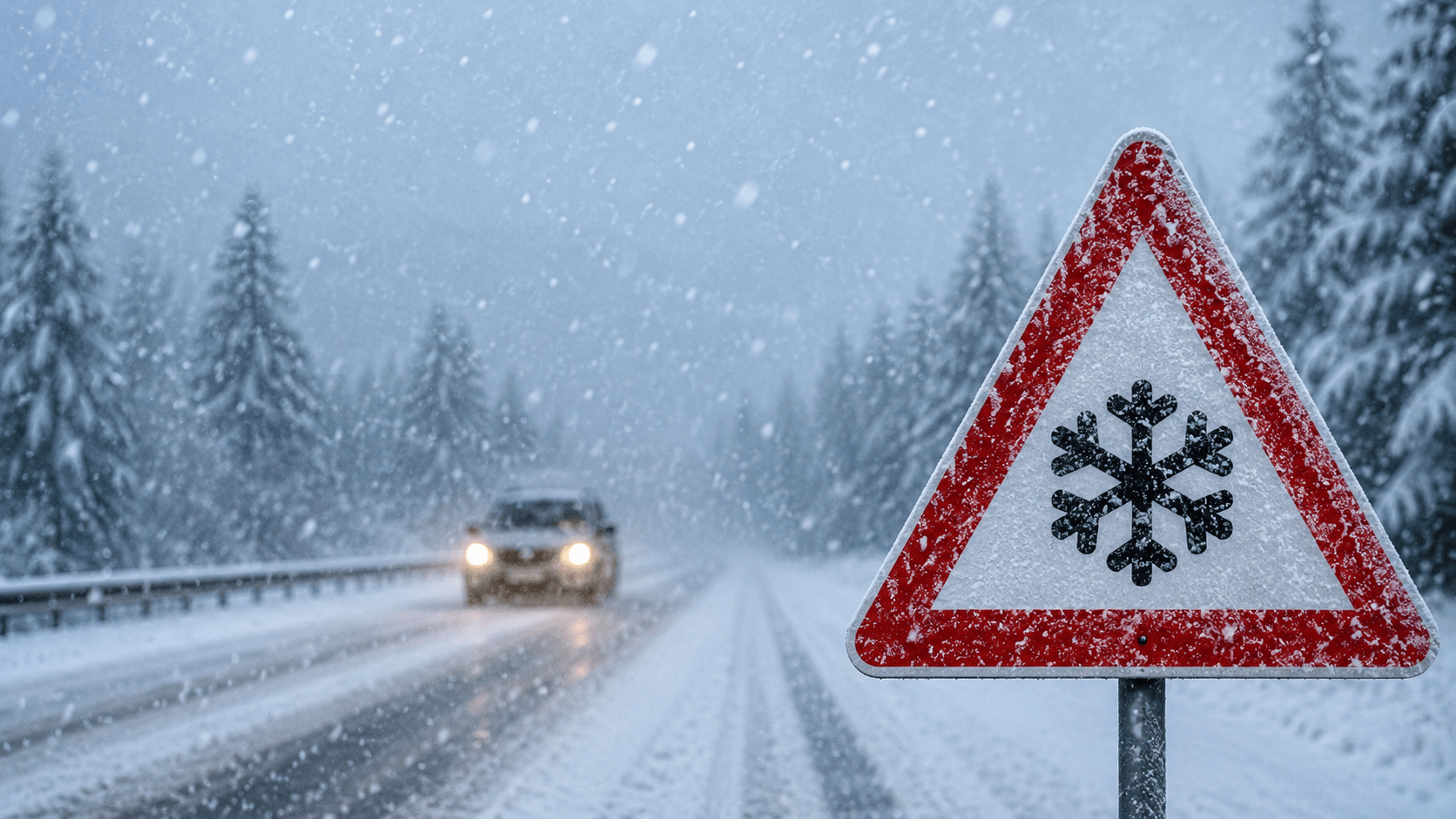
A winter weather advisory is issued by the National Weather Service when snow, freezing rain, sleet, or blowing snow is expected to cause significant inconvenience and could be hazardous. It is less severe than a winter storm warning, and if you take caution the conditions should not become life-threatening.
Key takeaways
- A winter weather advisory means hazardous conditions are expected, but it is less severe than a warning.
- Alerts rank from watch (possible) to advisory (expected, inconvenient) to warning (dangerous).
- Prepare food, water, warmth, and power backups, and never run generators or grills indoors.
- Drive only if necessary, carry a winter kit, and watch for hypothermia and frostbite.
In this guide
- What Is a Winter Weather Advisory?
- Winter Weather Alerts Compared
- What Conditions Can an Advisory Include?
- How to Prepare at Home
- Driving in a Winter Weather Advisory
- Staying Safe Outdoors
- Signs of Hypothermia and Frostbite
- Pets, Elderly People, and Vulnerable Neighbours
- Common Mistakes During Winter Advisories
- Frequently Asked Questions
Last updated: October 2026
When the forecast mentions a winter weather advisory, many people are unsure whether to worry. It is a real warning, but it is not the most severe alert. This guide explains what a winter weather advisory means in the United States, how it differs from a watch or warning, and what to do to stay safe at home, on the road, and outdoors.
What Is a Winter Weather Advisory?
A winter weather advisory is issued by the National Weather Service (NWS) when winter conditions such as snow, freezing rain, sleet, or blowing snow are expected to cause significant inconveniences and could be hazardous. The NWS says that if you take caution, these conditions should not become life-threatening. The exact snow or ice amounts that trigger an advisory vary by region, because the same snowfall affects a northern state and a southern state differently.
Winter Weather Alerts Compared
| Alert | Meaning | What to do |
|---|---|---|
| Winter Storm Watch | Severe winter weather is possible in the next day or two, but timing and track are uncertain | Prepare, and monitor forecasts |
| Winter Weather Advisory | Winter weather is expected and could cause significant inconvenience and hazards | Take care, allow extra time, and avoid unnecessary travel |
| Winter Storm Warning | Hazardous winter weather is expected or occurring and may be life-threatening | Avoid travel and stay sheltered |
| Blizzard Warning | Strong winds and heavy blowing snow cause very low visibility | Do not travel |
| Ice Storm Warning | Significant ice accumulation is expected, with risk of power outages and falling trees | Stay home and prepare for outages |
| Wind Chill Advisory or Warning | Dangerously cold wind chills are expected | Limit time outdoors and cover exposed skin |
Terms and criteria can differ slightly by NWS office, so check your local forecast for details.
What Conditions Can an Advisory Include?
- Snow: light to moderate accumulations that slow traffic.
- Freezing rain: rain that freezes on contact, creating a glaze of ice.
- Sleet: small ice pellets that make roads slippery.
- Blowing snow: reduced visibility and drifting.
Even a light layer of ice can make roads, sidewalks, and driveways dangerous, so do not underestimate an advisory.
How to Prepare at Home
- Check the forecast regularly and enable emergency alerts on your phone.
- Stock essentials: water, non-perishable food, medicines, batteries, and a torch.
- Prepare for power cuts: charge devices and have a battery pack. Never use a generator, grill, or camp stove indoors, because they can release carbon monoxide.
- Keep warm: close off unused rooms, use thick curtains, and layer blankets. Our guides to eyelet curtains, which cover thermal linings, and choosing bedding can help you stay comfortable.
- Protect pipes: let taps drip during very cold nights and know where your main shut-off is.
- Clear snow safely. Take breaks, and avoid overexertion if you have heart problems.
Driving in a Winter Weather Advisory
- Avoid travel if you can, and if you must go, tell someone your route.
- Clear snow and ice from the whole vehicle, including lights, windows, and the roof.
- Slow down, leave much more distance, and brake gently.
- Keep your fuel tank at least half full.
- Keep a winter kit in the car: blanket, torch, first-aid kit, ice scraper, shovel, sand or cat litter for traction, snacks, water, and a phone charger.
- If you become stuck, stay in the vehicle, run the engine only briefly and make sure the exhaust pipe is clear of snow, and call for help.
Staying Safe Outdoors
- Wear several loose layers, a hat, gloves, and waterproof boots.
- Cover exposed skin, as frostbite can develop quickly in very cold wind. The NWS publishes a wind chill chart.
- Take care on steps and pavements, and wear shoes with good grip.
- Check on elderly neighbours and relatives.
Signs of Hypothermia and Frostbite
| Condition | Warning signs | What to do |
|---|---|---|
| Hypothermia | Shivering, confusion, slurred speech, drowsiness, and clumsiness | Get the person indoors, remove wet clothing, warm the centre of the body gradually, and seek medical help |
| Frostbite | Numb, pale, waxy, or hard skin | Move to a warm place, avoid rubbing the area, and seek medical help |
The CDC and Ready.gov provide detailed winter safety advice, and the National Weather Service winter safety page has checklists and tips.
Pets, Elderly People, and Vulnerable Neighbours
- Bring pets indoors, and provide fresh water that has not frozen.
- Older adults, babies, and people with health conditions are more at risk from cold, so check on them.
- Make sure anyone relying on powered medical equipment has a plan for outages.
Common Mistakes During Winter Advisories
- Assuming an advisory is harmless. Icy roads cause many crashes.
- Using indoor fuel burners without ventilation. Carbon monoxide is dangerous.
- Overdressing in tight layers. Loose layers keep warmth better.
- Ignoring pets and neighbours. A quick check can save lives.
- Waiting until the storm arrives to prepare. Shops and roads can become difficult quickly.
Frequently Asked Questions
It means winter weather such as snow, ice, or sleet is expected and could cause significant inconvenience and hazards, but it should not be life-threatening if you take care.
A warning is more severe: hazardous winter weather is expected or occurring and may be life-threatening. An advisory is for less severe but still hazardous conditions.
A watch means severe winter weather is possible. An advisory means winter weather is expected and likely to cause problems.
Avoid it if you can. If you must travel, slow down, leave extra distance, and carry a winter emergency kit.
It varies by region and by NWS office, since the same snowfall affects places differently.
Layer clothing and blankets, close off unused rooms, and never use a generator, grill, or camp stove indoors because of carbon monoxide.
This article is general information for US readers. Always follow your local National Weather Service forecast and official emergency guidance.



