
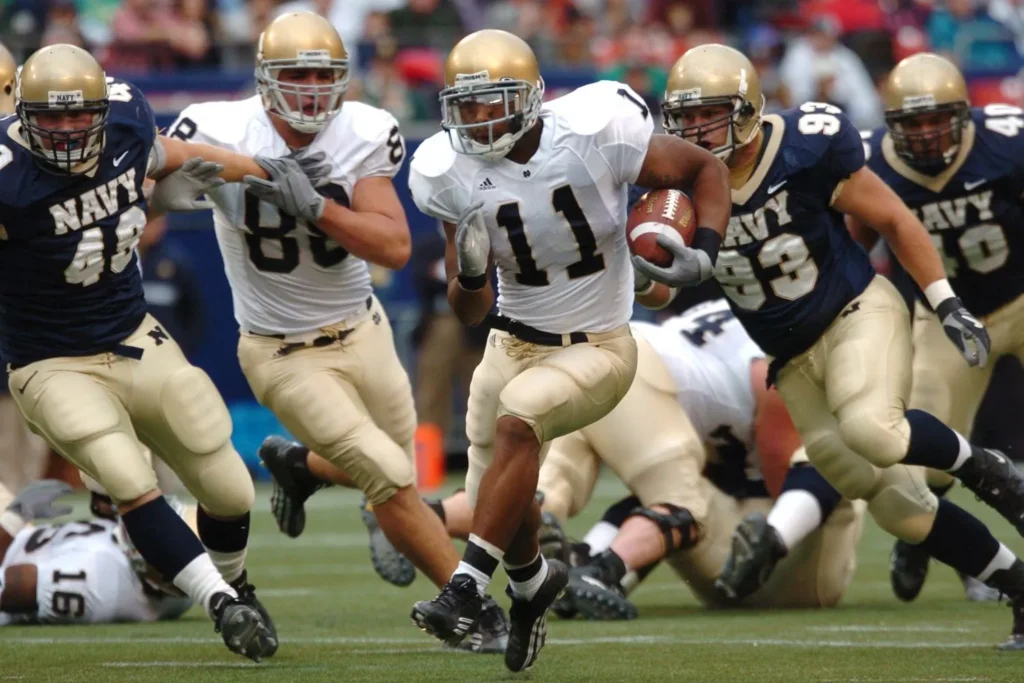
Fantasy football rankings are ordered lists that place NFL players from best to worst for a specific purpose, such as your draft, this week’s lineup, or the rest of the season. They turn thousands of stats, injuries and matchups into one simple order you can act on.
The catch is that not all rankings are equal. A ranking built for PPR scoring can steer you wrong in a standard league. A preseason list is useless after a Week 6 injury. And a “top 200” from one site can look very different from another.
This guide explains how fantasy football rankings work, which types matter, where to find reliable ones, and how to use them for drafts, start/sit calls, trades and waivers. You will also learn how to build your own simple ranking in about 30 minutes.
Note: This is an evergreen guide. Player order changes every week, so we explain the method and point you to live sources instead of printing a list that would be outdated by Sunday.
How to Use Fantasy Football Rankings
Short on time? Follow these five rules.
- Match your format. Use rankings built for your scoring (PPR, half-PPR or standard) and your roster setup (single QB or Superflex).
- Compare two or three sources. Consensus beats a single opinion.
- Think in tiers, not exact ranks. The gap between player 12 and player 13 may be tiny. The gap between tiers is real.
- Check the news before you lock a lineup. Injury reports and inactive lists change everything.
- Adjust for your roster. Bye weeks, depth and playoff schedule matter more than any list.
What Are Fantasy Football Rankings?
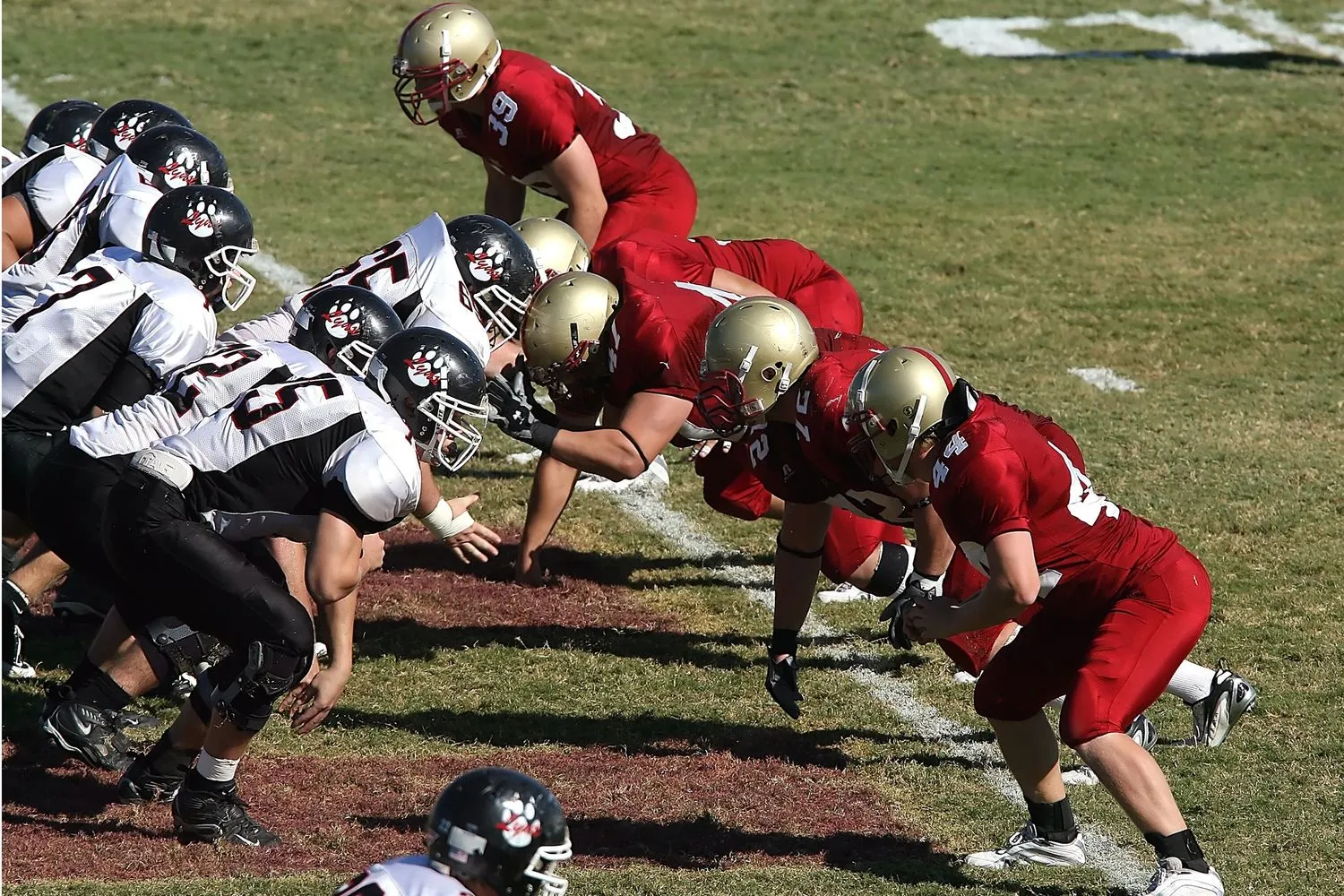
Fantasy football rankings are expert or model-based lists that sort players by how many fantasy points they are expected to score. A player ranked higher is expected to help you more than a player ranked lower.
Every ranking answers one question: “Who should I pick, start or trade for?” The answer depends on the time frame. A draft ranking looks at a whole season. A weekly ranking looks at one game. A rest-of-season ranking looks at every game that is left.
If you are new to the game itself, read our beginner guide to fantasy football first. It covers the basics of drafting, lineups and scoring. For background on how the hobby began and grew, see this overview of fantasy football on Wikipedia and the wider fantasy sport category.
Fantasy football is also a huge pastime. The Fantasy Sports & Gaming Association tracks the industry, and tens of millions of people in North America play some form of fantasy sports.
Types of Fantasy Football Rankings

Different decisions need different lists. Here are the main types.
| Ranking Type | When You Use It | What It Looks At |
|---|---|---|
| Preseason / draft rankings | Before and during your draft | Full-season value, ADP, injuries, rookies |
| Weekly rankings | Every week for start/sit | One matchup, health, projected usage |
| Rest-of-season (ROS) rankings | Mid-season trades and waivers | Remaining schedule, role changes, bye weeks |
| Positional rankings | Any time | Players at QB, RB, WR, TE, K or DST only |
| Tiered rankings | Drafts and trades | Groups of players with similar value |
| Dynasty and keeper rankings | Long-term leagues | Age, contract, multi-year outlook |
| Rookie rankings | Rookie drafts | Draft capital, landing spot, talent |
| Superflex / 2QB rankings | Leagues with an extra QB slot | Higher value for quarterbacks |
| DFS rankings | Daily fantasy contests | Salary, ownership, ceiling |
Draft Rankings
Draft rankings estimate a player’s full-season value. They usually appear next to ADP (average draft position), which shows where players are actually being picked. When a player’s rank is much better than their ADP, many analysts see a value pick.
Weekly Rankings
Weekly rankings are your start/sit tool. They weigh the opponent, weather, injuries and recent usage. They are most useful on game day, when late news can change a player’s outlook.
Rest-of-Season Rankings
ROS rankings help you decide who to trade for, who to sell and who to add from waivers. They are especially helpful from about Week 5 onward. Several sites publish them, including FantasyPros rest-of-season rankings and the ROS boards at RotoBaller and Roto Street Journal.
Dynasty and Keeper Rankings
In dynasty leagues you keep your players year after year. So age and long-term role matter more than this week’s matchup. A young receiver with a bright future can outrank a veteran who scores more today.

How Scoring Format Changes Fantasy Football Rankings
This is the biggest reason two lists look different. The same player can rank 8th in PPR and 25th in standard scoring.
| Setting | How It Works | Who Gains Value |
|---|---|---|
| Standard | No points for catches | Touchdown-heavy runners, big-play receivers |
| Half-PPR | 0.5 points per catch | Balanced; a popular middle ground |
| Full PPR | 1 point per catch | Pass-catching backs, slot receivers, target hogs |
| TE premium | Extra points per TE catch | Elite and mid-tier tight ends |
| Superflex / 2QB | An extra spot where a QB can start | Quarterbacks rise sharply |
| 6-point passing TD | Passing touchdowns worth 6, not 4 | Top quarterbacks |
Typical scoring baseline (your league may differ): 1 point per 10 rushing or receiving yards, 6 points per rushing or receiving touchdown, 1 point per 25 passing yards, 4 points per passing touchdown, and -2 points for each interception or lost fumble. Always check your league settings on ESPN Fantasy Football, Yahoo Fantasy Football, Sleeper, NFL.com Fantasy or CBS Sports Fantasy before you pick a ranking.
If your league is on Yahoo, our guide to Yahoo fantasy football shows how to find and edit these settings.
Rule of thumb: always select your scoring format first. Then look at rankings. A list with the wrong scoring is the fastest way to make a bad pick.
How Fantasy Football Rankings Are Made

Understanding the process helps you trust (or question) a list. Most rankings blend four inputs.
1. Projections
Analysts or models estimate each player’s yards, touchdowns and catches. These become projected fantasy points. Projections start from last season, then adjust for team changes, new coaches and age.
2. Opportunity and Usage
Opportunity is often a better signal than past results. Look at snap share, target share, carries, red-zone touches and goal-line work. A player who sees many chances is more likely to score again, even after a quiet week. Public data from Pro Football Reference and NFL Next Gen Stats helps measure this. Tools like PlayerProfiler and PFF also show usage trends.
3. Matchup and Environment
A great player facing a strong defense may score less than expected. Team pace, game total, weather and offensive line health also matter. Check the forecast for outdoor games at Weather.gov.
4. Health and News
An injury changes both the hurt player and the teammates who take over his work. The official NFL injury report is the best primary source. Always check it before kickoff.
Expert Consensus vs. One Analyst
Many sites publish expert consensus rankings (ECR), which average the lists of dozens of analysts. Averages smooth out one person’s bias. You can see this approach in the FantasyPros consensus cheat sheets. Single-analyst rankings can still be valuable, especially when the analyst explains the reasoning.
Best Sources for Fantasy Football Rankings
No site is perfect. Use these as a starting point, and compare at least two or three. Pick sources that show their scoring format, explain their tiers and update often.
- FantasyPros is best for consensus rankings and tools. It combines many experts and offers draft and lineup helpers.
- ESPN Fantasy is best if your league is on ESPN. Rankings and projections sit right inside your team page.
- Yahoo Fantasy is best for Yahoo leagues. Its analysts publish weekly and dynasty lists.
- RotoWire is best for quick PPR, half-PPR and standard lists with fast player news.
- 4for4 is best for data-driven rankings and customizable cheat sheets.
- Footballguys is best for deep analysis, projections and dynasty content.
- Draft Sharks is best for model-based weekly rankings and trade help.
- RotoBaller is best for ROS boards, waiver wire rankings and weekly updates.
- NBC Sports Edge is best for player news and injury notes.
- The Fantasy Footballers is best if you like podcasts and video with your rankings.
- Establish The Run is best for community-driven discussion and analysis.
- Sharp Football Analysis is best for team-level stats that support ranking decisions.
Community threads like r/fantasyfootball can add context. Treat them as opinion, not fact.
How to Judge a Ranking Source
Ask these questions:
- Does it state the scoring format (PPR, half-PPR, standard)?
- Does it show the last-updated date and time?
- Does it explain tiers or give reasons, not just numbers?
- Does it publish its accuracy or track record?
- Does it separate fact (injury report) from opinion (a prediction)?
If a site fails most of these, move on.

How to Use Fantasy Football Rankings in Your Draft
Rankings are a map, not an autopilot. Here is a practical plan.
Step 1: Choose the Right List
Select your scoring, roster slots and league size. A 10-team league and a 14-team league need different depth.
Step 2: Learn the Tiers
A tier is a group of players with similar expected value. Instead of asking “who is #14,” ask “how many players are left in this tier?” When a tier is about to run out, take a player from it. Wait on a position when the next tier is deep.
Step 3: Use ADP to Time Your Picks
Compare a player’s rank with his ADP. If he is ranked much higher than his ADP, you may be able to wait a round. If he is ranked lower than his ADP, you may be overpaying.
Step 4: Think About Value Over Replacement
Value over replacement compares a player to the average free agent at the same position. If a running back scores 7 points more per game than the replacement back, but a receiver scores only 4 more than the replacement receiver, the back gives you a bigger edge. You can learn the general idea in this explainer on value over replacement player.
Step 5: Plan for Bye Weeks and Depth
Each NFL team has one bye week in the 18-week season. Avoid stacking too many starters on the same bye. Check the official NFL schedule for dates.
Step 6: Stay Flexible
Rankings are not a script. If a run starts on a position, adapt. Take the best value in the tier you need, and keep your roster balanced.
How to Use Weekly Fantasy Football Rankings for Start/Sit
Weekly rankings matter most when you have two similar options. Use this checklist.

- Start with your stars. Do not bench a proven player because of one tough matchup.
- Check injuries on Wednesday, Thursday and Friday. Practice reports show who is limited or missing.
- Read the inactive list on Sunday. Teams announce inactive players about 90 minutes before kickoff.
- Look at usage, not just last week’s points. A player with 9 targets and no touchdown is a better bet than a player who scored on his only catch.
- Check the matchup. Weak run defenses help running backs. Weak pass defenses help receivers.
- Check the weather for outdoor games. Strong wind and heavy rain can hurt passing.
- Use floor and ceiling. Choose a safe floor when you are a favorite. Choose a high ceiling when you are an underdog.
Start/Sit Example
Say you have two flex options. Player A is ranked higher but has a questionable tag on Friday. Player B is ranked a little lower but healthy and facing a weak defense. Before you decide, wait for the inactive list. If A is active and full speed, start him. If not, you already have B ready.
Rest-of-Season Rankings, Trades and Waivers
From midseason on, the question changes from “who is best this week?” to “who helps me most in the playoffs?” That is where ROS rankings shine.
Using ROS Rankings for Trades
- Look for players whose ROS rank is much higher than their current reputation. They may be cheap.
- Look for players whose ROS rank has dropped because of a tough schedule or lost role. Consider selling.
- Avoid trading depth if your bench covers bye weeks and injuries.
Using ROS Rankings for Waivers
- Rank waiver targets by role, not by last week’s score.
- Prefer players with growing snap or target share.
- Stash handcuffs only if the starter is an injury risk and your bench has room.
Know Your Playoff Weeks
Most platforms set fantasy playoffs for the later part of the NFL season, often Weeks 15 to 17. Check your league’s schedule and look at your players’ matchups in those weeks. A great ROS rank is less useful if a player has a tough playoff stretch or a late bye.
Build Your Own Fantasy Football Rankings in 30 Minutes
You do not need a data science degree. A simple scoring formula can help you break ties and understand what drives a ranking. This is a simple framework, not an industry standard, so adjust it to your style.
The Player Value Score (0 to 100)
| Factor | Weight | What to Score (0 to 100) |
|---|---|---|
| Projected points | 35% | Use a trusted projection source, then scale it |
| Opportunity | 25% | Snap share, targets, carries, red-zone touches |
| Matchup | 15% | Opponent strength vs. the position |
| Team environment | 10% | Team’s expected scoring and pace |
| Health | 10% | 100 = healthy, lower for injury risk |
| Recent trend | 5% | Last 3 weeks of usage |
Worked Example
| Factor | Player A | Player B |
|---|---|---|
| Projected points (35%) | 80 | 85 |
| Opportunity (25%) | 90 | 70 |
| Matchup (15%) | 50 | 80 |
| Team environment (10%) | 70 | 60 |
| Health (10%) | 100 | 70 |
| Trend (5%) | 60 | 80 |
| Total | 78.0 | 76.3 |
Player A edges out Player B, mostly because of heavy opportunity and better health. Player B has the better matchup, which is why this is close. If Player A’s injury status worsens, the order flips. That is exactly why you check the news before kickoff.
Steps to Build Your Own List
- Pick your scoring format.
- Copy projections from one source into a spreadsheet.
- Add opportunity numbers from a stats site.
- Score each factor from 0 to 100 using the table above.
- Multiply by the weights and add them up.
- Sort from highest to lowest.
- Group players into tiers wherever the score drops sharply.
Compare your list with consensus rankings. Differences show where you have a strong opinion or where you may have missed something.

Common Mistakes to Avoid
Even experienced managers repeat these errors.
Using the wrong format. Always match scoring and league size.
Treating ranks as exact. The difference between #11 and #12 is tiny. Look at tiers.
Chasing last week’s points. One big game can be luck. Look at usage first.
Ignoring bye weeks. A strong roster with three byes in one week can still lose.
Overreacting to one bad game. Stars have off weeks. Hold your best players unless usage truly changes.
Following stale lists. Check the date. A ranking from before an injury is not helpful.
Never trusting your own read. If you know your league’s tendencies, adjust. Rankings do not know your opponents.
Forgetting the schedule. A player with a great Week 10 rank may face tough opponents in the playoffs.
Fantasy Football Rankings Glossary
| Term | Meaning |
|---|---|
| ECR | Expert consensus ranking, an average of many analysts |
| ADP | Average draft position, where players are actually being picked |
| ROS | Rest of season |
| Tier | A group of players with similar expected value |
| PPR | Points per reception |
| FLEX | A lineup spot that can be an RB, WR or TE |
| Superflex | A flex spot that can also be a QB |
| VORP | Value over replacement player |
| Handcuff | The backup to a starting running back |
| Target share | The share of team pass attempts thrown to a player |
| Snap share | The share of offensive plays a player is on the field |
| Floor / Ceiling | A player’s low-end and high-end outcomes |
| Waiver wire | The pool of unrostered players you can add |
| Bye week | The week an NFL team does not play |
A Year-Round Fantasy Football Calendar

Rankings are not only for September. Here is how to use them all year.
- January to March: Review the season. Start dynasty rankings after the NFL season ends.
- April to May: Follow free agency and the NFL Draft. Rookie rankings change quickly.
- June to July: Build early draft rankings. Watch for coaching changes and depth charts.
- August: Use preseason news and ADP to finalize your draft board.
- September: Weekly rankings take over. Do not overreact to Week 1.
- October and November: ROS rankings guide trades and waivers.
- December: Focus on playoff matchups, injuries and who is resting.
Play Responsibly
Most fantasy leagues are for fun. If you play in paid leagues or daily fantasy contests, set a limit you can afford to lose and stick to it. Never chase losses. If gambling stops being fun, free and confidential help is available through the National Council on Problem Gambling. Rankings help you make better choices, but they cannot predict injuries, weather or luck.
Related Guides on Every Tools
Keep learning with these free guides.
- New to the game? Start with our fantasy football guide.
- On Yahoo? Read our Yahoo fantasy football guide.
- Want to learn how we work? Read our Editorial Policy.
- Meet the team on our About page.
- Browse more free guides on the Every Tools homepage.
- Read our Terms and Conditions.
What are fantasy football rankings?
Fantasy football rankings are ordered lists that place players from best to worst for a given purpose, such as a draft, a single week, or the rest of the season. Analysts build them from projections, usage, matchups, injuries and scoring format.
Which fantasy football rankings are the most accurate?
No single source is always right. Consensus rankings, which average many experts, tend to be more reliable than any one analyst. Check sources that publish accuracy results, and compare at least two or three before you decide.
How often do fantasy football rankings change?
Weekly rankings change every week, and often again on Sunday morning after inactive lists are released. Rest-of-season rankings update after major injuries, trades and role changes. Preseason rankings shift mostly during training camp and the preseason.
What is the difference between PPR and standard rankings?
PPR gives one point per reception, so pass-catching running backs and slot receivers rank higher. Standard scoring gives no points for catches, so touchdown-heavy players and lead runners rank higher. Half-PPR sits in the middle.
Should I follow rankings or my gut?
Use rankings as your starting point, then adjust for your own league settings, injuries and matchups. Rankings are averages. Your roster needs, bye weeks and playoff schedule can justify moving a player up or down.
What are tiers in fantasy football rankings?
Tiers group players with similar expected value. Instead of focusing on exact ranks, you look for drops between groups. When a tier is about to run out at a position, that is often the best time to draft from it.
Are rest-of-season rankings better than weekly rankings?
They serve different jobs. Weekly rankings help you set your lineup. Rest-of-season rankings help with trades and waiver pickups. Use both: ROS for roster building, weekly for the final start/sit decision.
What is the best fantasy football ranking site?
It depends on your needs. FantasyPros is popular for consensus lists, while ESPN and Yahoo are convenient for their own leagues. Many managers use one consensus site and one analyst they trust, then compare the two.
Can I make my own fantasy football rankings?
Yes. Pick your scoring format, gather projections, score each player on opportunity, matchup and health, then sort the totals and group them into tiers. Compare your list with consensus to spot differences worth a closer look.

Make Rankings Work for You
Great fantasy managers do not follow rankings blindly. They match the list to their format, compare a few trusted sources, think in tiers, and adjust for their own roster. They also check the injury report before kickoff.
Use the steps above, start with the right list, and revisit your plan as the season changes. Your next win might come from one smart start/sit call.
Want more free guides? Explore more on Every Tools and bookmark this page for the next time you need to check your lineup.